HR TipsJul 16, 2026 06:35by AI SoloHR Team4 min read
What is HR Case Management? (And Why Small Businesses Outgrow Spreadsheets)
For U.S. employers and small-business HR teams.
#case management hr#hr case management#employee case management
Fact-Checked & Regulatory AuditVERIFIED E-E-A-T
Verified by AI SoloHR Compliance & Editorial Team (U.S. Employment Law & Regulatory Compliance Research Group)
Last Audit: Sep 19, 2026 16:59
What is HR Case Management? (And Why Small Businesses Outgrow Spreadsheets)
When a small business grows past 20 employees, the nature of human resources changes. You are no longer just running onboarding checklists and processing payroll. You are suddenly handling complex employee relations disputes, accommodation requests under the ADA, and detailed FMLA leave tracks.
Many small business owners and solo HR managers try to track these sensitive issues inside standard spreadsheets.
However, managing employee conflicts, medical restrictions, and compliance deadlines via email folders and shared sheets is a major liability. To protect your organization in 2026, you need to understand what is hr case management and how it keeps employee records legally defensible.
[!TIP]
Sources and review notes
This article is written for U.S. small-business HR teams in 2026 and should be checked against your own policy, state requirements, and counsel guidance before use in a contested employment decision. AI SoloHR provides workflow structure, reviewed drafting support, and educational resources; it does not provide legal advice or make final employment decisions.
Statutory Sources & Regulatory Citations
This compliance document references official regulatory guidance from federal employment enforcement agencies:
to standardize how you document employee complaints and build audit-ready timelines.
Understanding the Core of HR Case Management
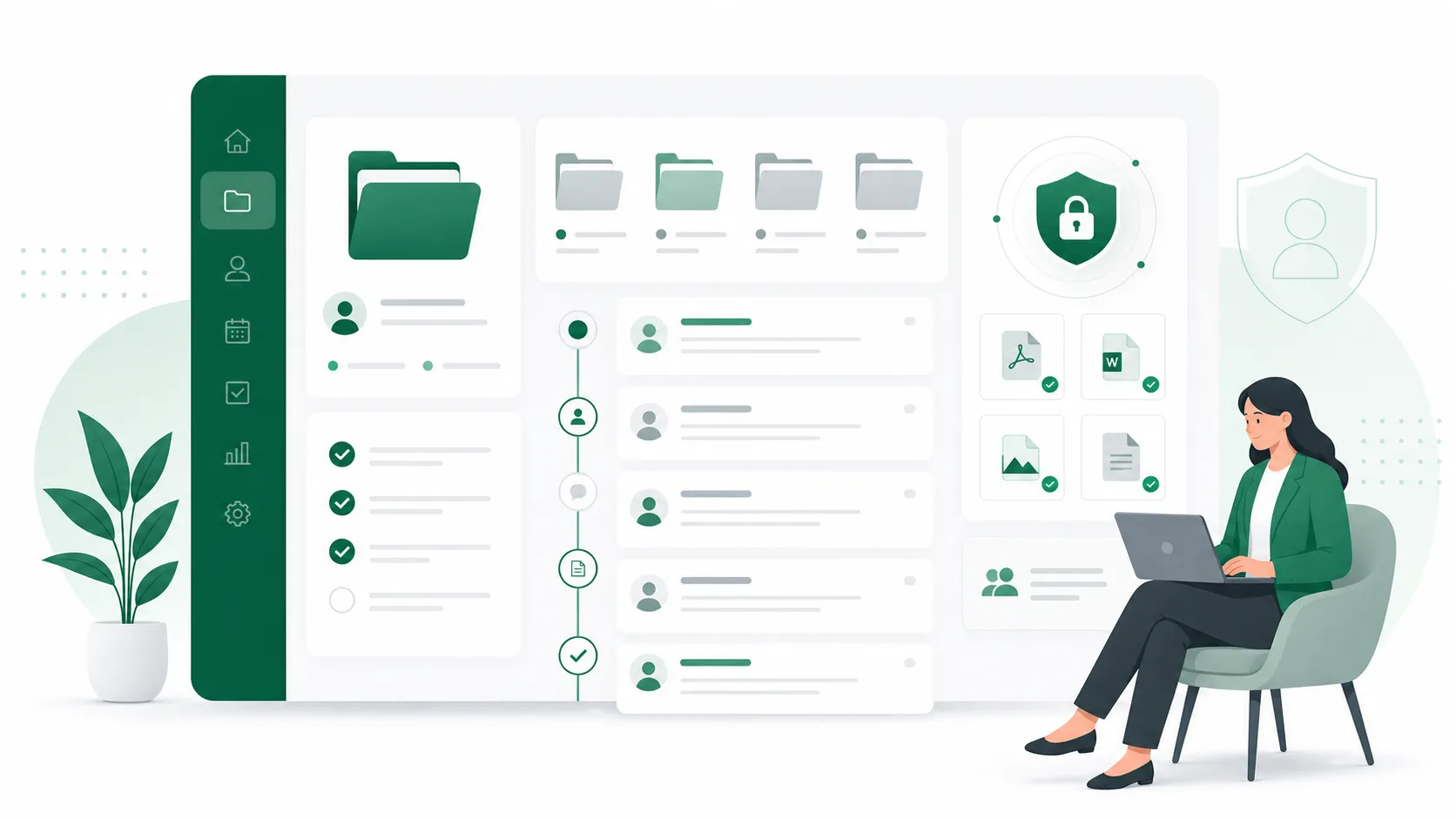
At its heart, hr case management is the process of organizing, documenting, and tracking sensitive employee issues from the moment a request or complaint is filed until it is resolved.
A Shared Excel Disaster Story
A solo HR generalist at a growing construction firm used a shared Google Sheet to track employee relations incidents. When a senior welder filed a formal harassment complaint against his manager, the HR generalist logged the details in row 47 of the sheet.
Because the sheet was shared with senior managers for headcount planning, a project manager opened the file to update a promotion date. By mistake, he copied a cell from another row and pasted it over row 47, overwriting the welder's harassment notes and timeline details.
When the welder eventually resigned and sued for constructive dismissal, the company's defense counsel realized they could not prove when the initial complaint was logged or what actions HR took. The missing records and altered cell history made the company's records look manipulated, resulting in an expensive settlement.
HR Records vs. HR Workflows
Many businesses confuse their Human Resources Information System (HRIS) with a case management tool.
An HRIS is a static database designed to hold employee files, address records, and pay rates.
In contrast, case management hr is designed to track fluid, multi-step workflows.
It records who requested what, what deadlines are active, what documents have been received, and what communications have been sent.
Why Spreadsheets Fail for HR Case Management
While spreadsheets are great for calculations, they fail completely when applied to employee relations and medical leaves.
Manual Spreadsheets (High Risk)
Audit Defensibility: Zero proof of modification. Cells can be rewritten with no timestamped trail.
Privacy Controls: Shared access makes it easy to leak sensitive data (ADA medical notes) to unauthorized managers.
Task Integration: Disconnected from email drafts, notes, and task reminders.
Dedicated Case Management (Low Risk)
Audit Defensibility: Fully automated, immutable audit trail documenting every status change and note.
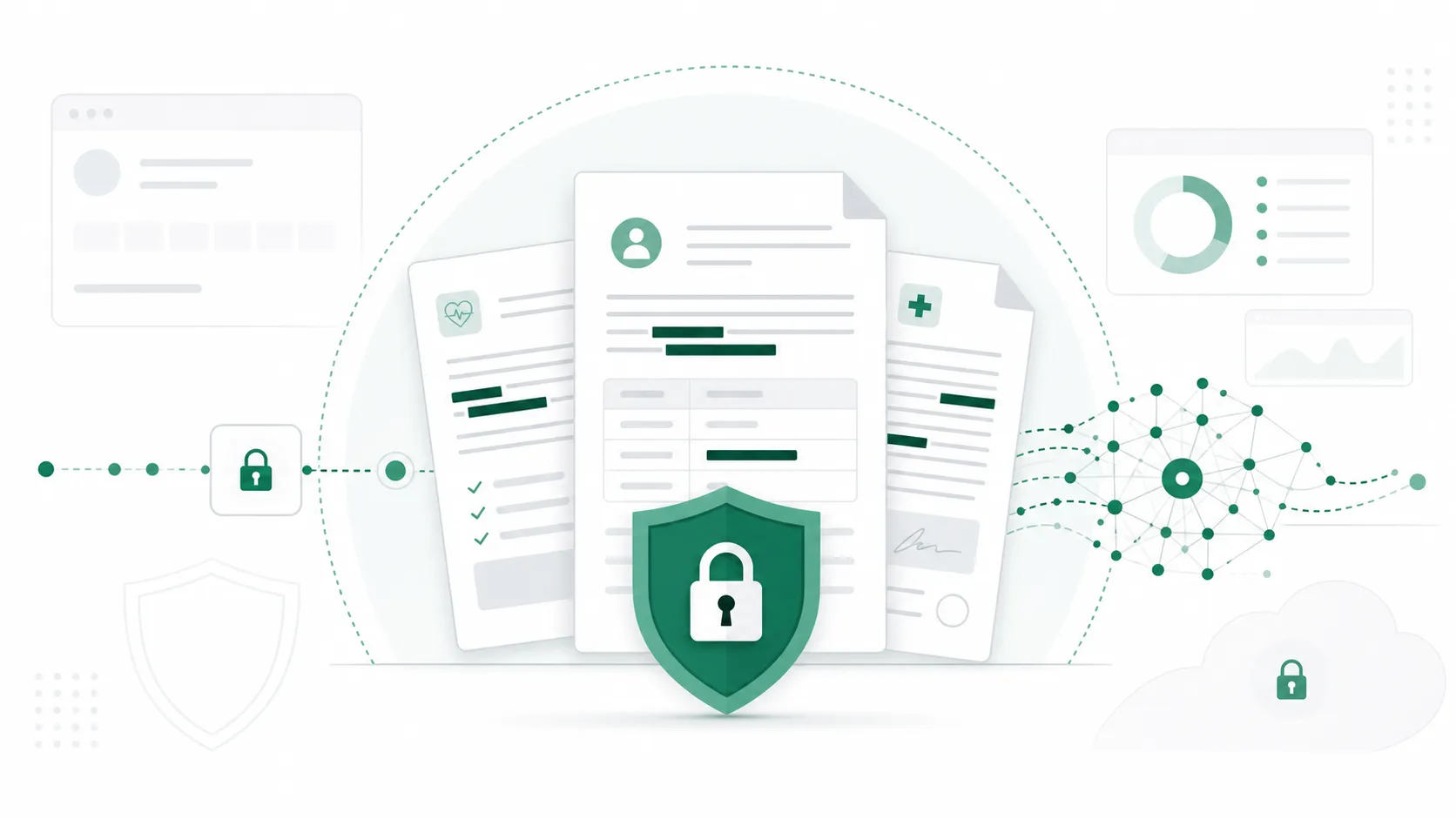
Privacy Controls: Role-based access ensuring medical files are isolated in secure vaults.
Task Integration: Task owners, SLA reminders, and communication history anchored to the specific case record.
To maintain compliance with EEOC.gov guidelines regarding employee medical record confidentiality, you must move sensitive case data out of generic company directories.
The Core Elements of a Defensible Case Record
If you are building a modern, compliance-first HR department, your case record structure must contain two core elements:
Isolated Medical Vaults
Medical files related to ADA accommodations, worker's compensation, or FMLA leave must be stored separately from standard personnel files. A secure case management system isolates these uploads, restricting visibility to authorized HR administrators.
Chronological Timestamps
A defensible case record should tell an unalterable story. Every call log, witness statement, employee email, and decision summary must carry a permanent, chronological timestamp. This prevents allegations of record-tampering during labor audits or discrimination lawsuits.
Transitioning to a dedicated HR case management software helps solo HR professionals build these guardrails automatically, allowing them to focus on employee advocacy rather than administrative self-defense.
Frequently Asked Questions
What is the difference between an HRIS and HR case management?
An HRIS holds static employee data like tax records, pay history, and emergency contacts. HR case management tracks dynamic, sensitive workflows that unfold over time, such as harassment investigations, accommodation negotiations, and leave-of-absence tracking.
Why is a secure audit trail necessary for employee relations?
If an employee files an EEOC complaint or a lawsuit, the burden of proof is on the employer to show they acted in good faith, responded promptly, and followed a compliant process. An immutable audit trail proves what action HR took and when, creating a solid defense.
How does case management help small business HR teams?
It prevents critical compliance deadlines (such as FMLA 5-day notices) from falling through the cracks, isolates confidential medical files to prevent legal liability, and eliminates the need to reconstruct case timelines from scattered email threads.
Legal Disclaimer: The information provided in this article is for educational and operational purposes only and does not constitute formal legal advice. HR compliance rules and guidelines are subject to change. Always consult with qualified employment counsel or professional HR compliance specialists in 2026 before finalizing your case management workflows or terminating employee contracts.