BenefitsJun 6, 2026 02:53by AI SoloHR Team6 min read
Reservation of Rights & Benefits Fiduciary Duty: In re Unisys
Analyze ERISA fiduciary duties and reservation of rights in In re Unisys. Learn why informal benefit promises create huge legal liabilities for employers.
For U.S. employers and small-business HR teams.
#case-study#ERISA Fiduciary Duty#Employee Benefits#Reservation of Rights#HR Documentation
Fact-Checked & Regulatory AuditVERIFIED E-E-A-T
Verified by AI SoloHR Compliance & Editorial Team (U.S. Employment Law & Regulatory Compliance Research Group)
Last Audit: Sep 24, 2026 17:47
Click to expand
Case at a Glance
In the landmark litigation In re Unisys Corporation Retiree Medical Benefits ERISA Litigation (2026), the U.S. District Court for the Eastern District of Pennsylvania and the Third Circuit Court of Appeals evaluated the limits of benefit amendments and the legal weight of informal communications.
When Unisys terminated its post-retirement medical plans, retirees sued, claiming a vested right to lifetime benefits. While the Court held that Unisys’ written Reservation of Rights (ROR) clause successfully defeated the retirees' breach of contract claims, it ruled that the company could be held liable for breach of ERISA fiduciary duty due to informal oral and written misrepresentations made by HR staff.
The case stands as the definitive warning that informal benefit promises can create massive, multi-million dollar liabilities for employers.
Sources and review notes
This article is written for U.S. small-business HR teams in 2026 and should be checked against your own policy, state requirements, and counsel guidance before use in a contested employment decision. AI SoloHR provides workflow structure, reviewed drafting support, and educational resources; it does not provide legal advice or make final employment decisions.
Statutory Sources & Regulatory Citations
This compliance document references official regulatory guidance from federal employment enforcement agencies:
In late 2026, Unisys Corporation announced that it was terminating all pre-existing post-retirement medical benefit plans for retirees and disabled former employees of Unisys and its predecessor companies, Sperry and Burroughs. The old plans, which had provided low-cost or free lifetime medical coverage, were replaced with a new, consolidated plan.
Under the new plan, retirees were required to pay increasing portions of their premiums, which would eventually transition to full cost-sharing.
Thousands of retirees joined a consolidated class-action lawsuit under the Employee Retirement Income Security Act (ERISA). The retirees argued that they were entitled to lifetime medical benefits as a vested contractual right, and that Unisys was legally estopped from terminating the plans.
The Contrast Between Written Documents and Verbal Promises
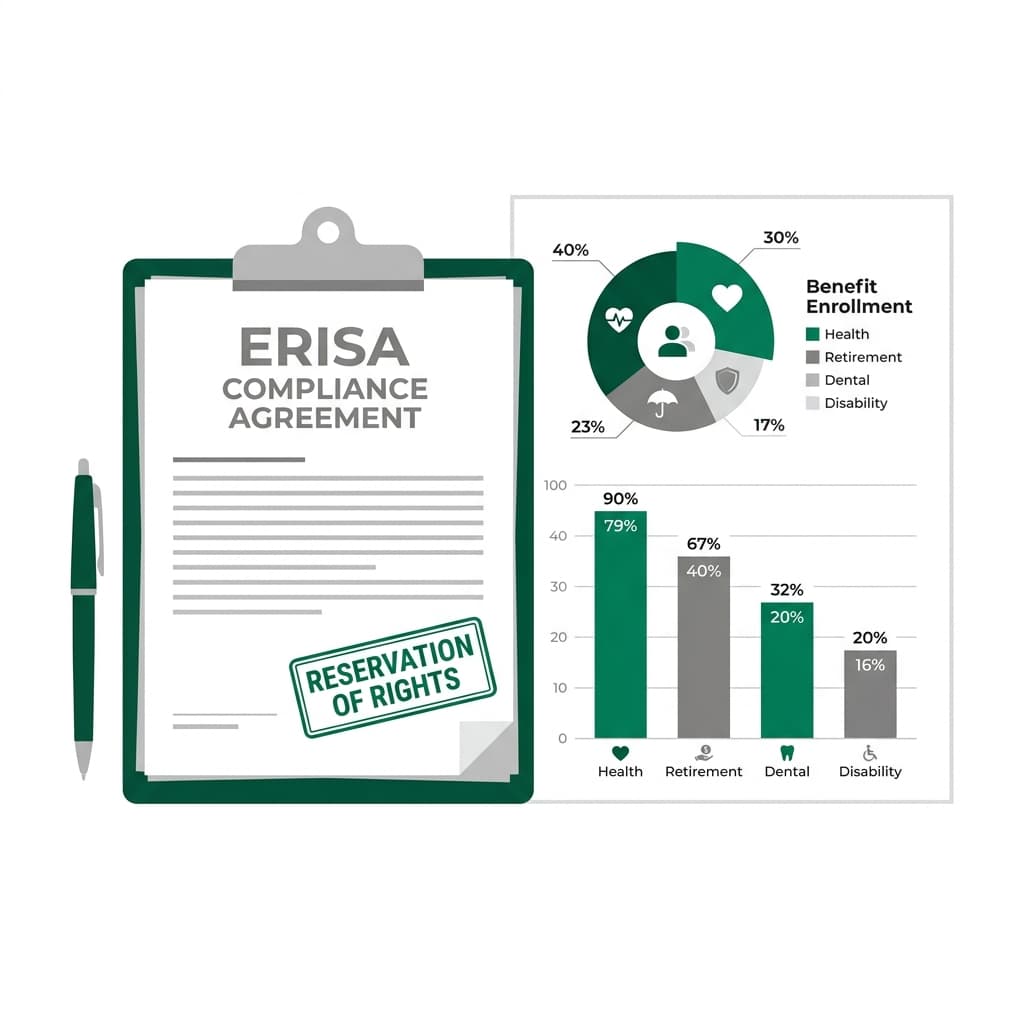
The formal Summary Plan Descriptions (SPDs) for the medical plans had always contained a clear, unambiguous Reservation of Rights (ROR) clause. The clause explicitly stated that the company reserved the right to amend, modify, or terminate the plans at any time, for any reason.
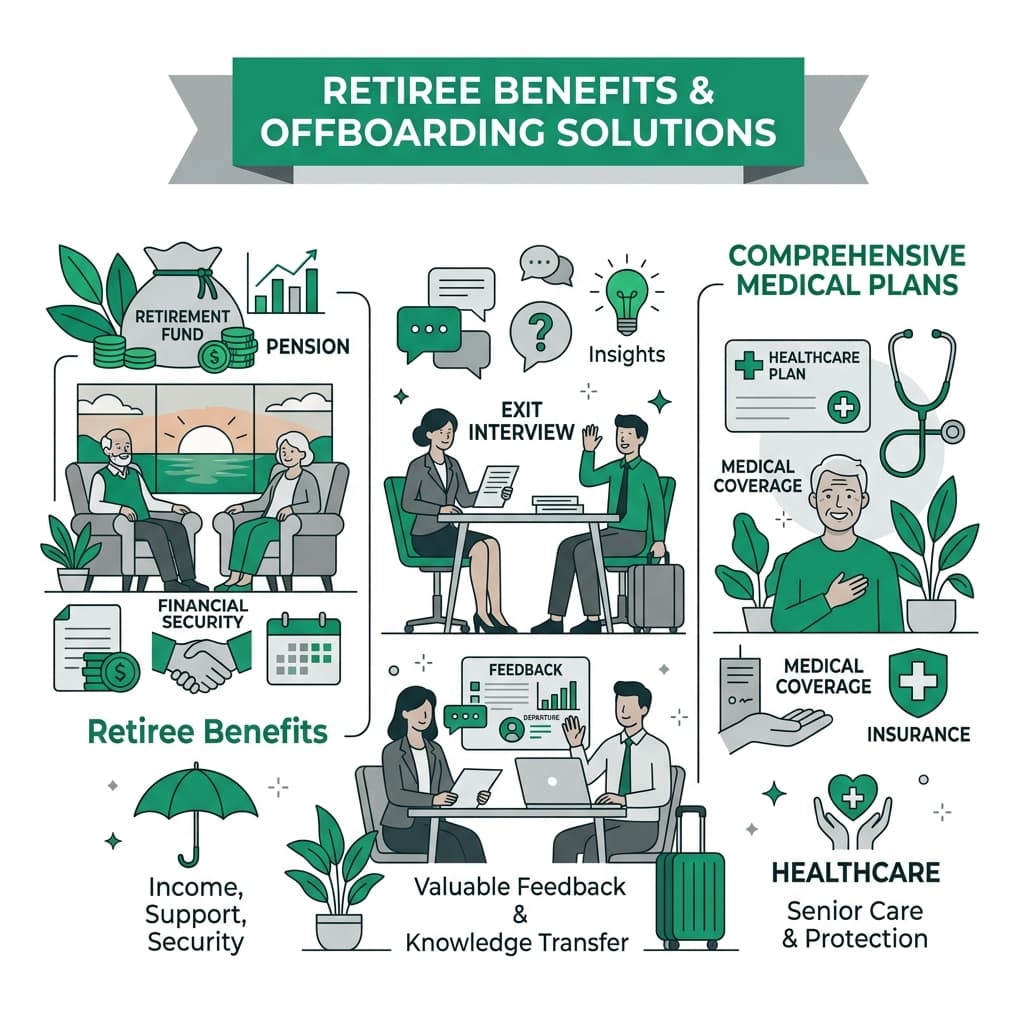
However, during retirement counseling sessions, exit interviews, and informal company meetings, Unisys’ HR representatives, benefit coordinators, and supervisors consistently told employees that their medical benefits were "for life" and would be provided at no cost to them throughout their retirement. Employees relied heavily on these verbal assurances when deciding to retire.
2. The Legal Stalemate: SPDs vs. Informal Verbal Assurances
Click to expand
The Primacy of Written Plan Documents
Unisys moved for summary judgment on the breach of contract claims, pointing directly to the ROR clause in the SPDs. Under ERISA, employee welfare benefit plans (such as health insurance or severance) do not automatically vest. Unless the employer contractually commits to lifetime benefits in the plan documents, the employer is free to modify or terminate welfare benefits.
The Court ruled in favor of Unisys on the contract claims. It held that the written SPDs controlled the terms of the benefits, and the unambiguous ROR clause prevented the retirees from claiming a vested, permanent right to medical benefits. The Court affirmed that informal verbal statements or letters could not override the clear, written reservation of rights.
Breach of Fiduciary Duty for Misleading Communications
However, the litigation took a critical turn regarding the retirees' breach of fiduciary duty claims. The retirees argued that even if the contract allowed Unisys to terminate the benefits, Unisys acted as an ERISA fiduciary when counseling employees about retirement, and the company breached its fiduciary duties by providing misleading information.
The Court agreed with the retirees. It held that:
An employer acts as a fiduciary when it explains plan benefits and counsels employees regarding retirement.
An ERISA fiduciary has a strict duty of loyalty and must provide complete, accurate, and truthful information to plan participants.
Providing misleading oral assurances (such as telling employees their benefits are "for life") while knowing the company retains the right to terminate them constitutes a breach of fiduciary duty.
The presence of a written ROR clause in the SPD does not immunize an employer from liability for making material misrepresentations.
EEOC Compliance Alert
A written Reservation of Rights (ROR) clause protects employers from breach of contract claims when modifying benefits. However, it does not immunize the employer from ERISA fiduciary liability if HR staff or supervisors make misleading verbal promises about benefits longevity.
3. Legal Analysis & The Court's Ruling
Click to expand
Reconciling Plan Documents and Fiduciary Communications
The Unisys litigation established a critical precedent in employee benefits law. The courts established that while the written plan documents govern the contractual terms of a benefit plan, the employer’s communications about those documents are governed by fiduciary standards.
When HR representatives or supervisors answer employee benefits questions, they cannot remain silent about the company's right to amend or terminate the plan if they know the employee is relying on the assumption that the benefits are permanent.
The Court permitted individual retirees who could show they retired in reliance on specific, misleading HR communications to proceed with their fiduciary breach claims, leading to extensive individual trials and settlements.
4. HR Practical Takeaways for Benefits Communication and Compliance
To protect your organization from multi-million dollar ERISA fiduciary liabilities, HR departments must implement the following strict communication controls:
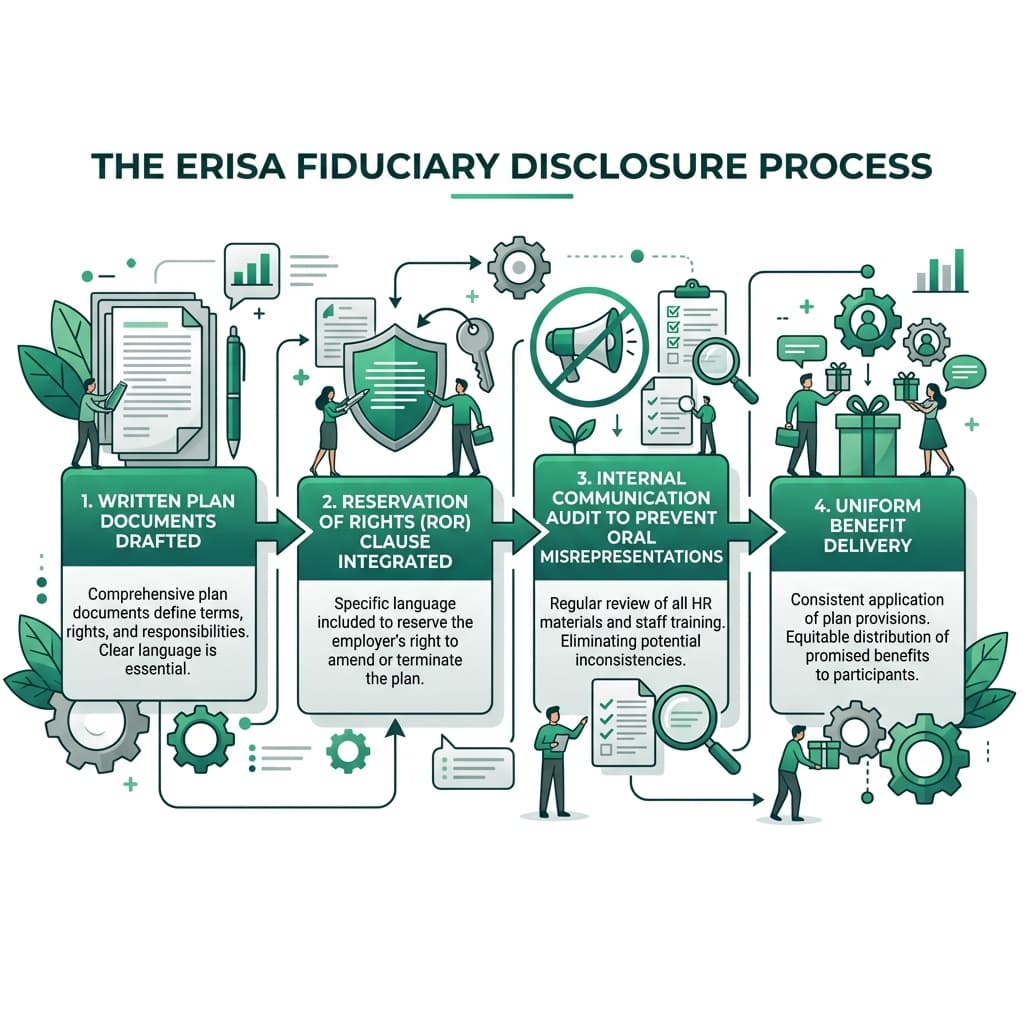
Action 1: Include Reservation of Rights (ROR) Clauses in All SPDs
Audit Benefit Documents: Verify that every Summary Plan Description (SPD), severance policy, and health benefit booklet contains an unambiguous, prominent ROR clause giving the company the right to modify, amend, or terminate the plan at any time.
Verify ROR Visibility: Place the ROR clause on the first page or under a prominent header in benefits documents so it cannot be overlooked.
Action 2: Standardize and Control Benefits Counseling Scripts
Prohibit Informal Promissory Language: Strictly forbid HR staff, benefits coordinators, and supervisors from using terms like "for life," "permanent," or "guaranteed" when discussing health or welfare benefits with employees.
Utilize Approved Counseling Scripts: Develop standardized, written scripts for exit interviews and retirement counseling sessions. Ensure all counseling materials explicitly reference the company's right to amend or terminate benefits.
Action 3: Conduct Audits on Supervisor Benefits Talk
Train Managers on Fiduciary Duties: Train all managers and team leads that they can be classified as ERISA fiduciaries when answering employee questions about benefits, and that informal promises can bind the company.
Centralize Benefit Inquiries: Require that all complex benefits questions be channeled through a centralized, HR ticket system where responses can be reviewed for compliance and archived securely.
Action 4: Maintain Secure Audit Trails of Benefit Communications
Log Retirement Counseling Sessions: Keep a timestamped record of all retirement exit interviews and counseling materials provided to employees in a secure HR dashboard (such as AI SoloHR). Document that the employee was provided with the SPD and the ROR disclosure.
5. Next Steps for HR: Proactively Securing Your Compliance
To audit your benefits communication hygiene and secure your ERISA compliance:
Log Employee Counseling and Communication Milestones: Keep an unalterable audit trail of employee benefit disclosures using the ADA Process Timeline Calculator.
Disclaimer: This case study is for educational and informational purposes only and does not constitute legal advice. AI SoloHR does not provide legal opinions or represent businesses in judicial disputes. For complex compliance questions, please consult qualified labor counsel.