AI SoloHR
For U.S. small businesses
ProductU.S. HR Use Cases
Free Calculators▼
FMLA Leave CalculatorFMLA Hours CalculatorIntermittent FMLA TrackerFMLA Eligibility & FTERemote FMLA EligibilityFMLA Reduced Schedule HourFMLA Interference RiskADA Process TimelineADA Documentation GeneratorBradford Factor Score
Resources▼
Resources OverviewGuides & ComplianceHR Templates & ChecklistsHelp Center & SupportSecurity & AI Safety
Case Studies▼
Case Studies OverviewFMLA CasesADA Accommodation CasesBenefits & Retirement CasesEmployee Relations CasesGeneral Compliance Cases
PricingBlog
Sign inStart Free
Toggle menu
ProductUse CasesPricingBlogSecurity
Free Toolsv
FMLA Leave CalculatorFMLA Hours CalculatorIntermittent FMLA TrackerFMLA Eligibility & FTERemote FMLA EligibilityFMLA Reduced ScheduleFMLA Interference RiskADA Process TimelineADA Documentation GeneratorBradford Factor Score
Case Studiesv
OverviewFMLA CasesADA CasesBenefits CasesEmployee Relations CasesCompliance Cases
Resourcesv
Resources OverviewGuides & ComplianceHR Templates & ChecklistsHelp Center & Support
Sign InStart Free
AI SoloHR

HR case management built for U.S. small businesses handling FMLA, ADA accommodations, employee relations, benefits renewals, and other audit-sensitive workflows.

Featured & Reviewed On
Featured on FoundrListAI SoloHR on Nick LaunchesProduct HuntG2 CrowdCapterraSaaSHubTrustRadiusTrustpilotSourceForgeIndie Hackers

Product

  • Features
  • Pricing
  • Resource Center
  • Guides & Compliance
  • HR Templates & Checklists
  • Help Center
  • U.S. HR Use Cases
  • FMLA Tracking Software
  • HR Case Management Software
  • Blog Updates

Free HR Tools

  • FMLA Leave Calculator
  • FMLA Eligibility & FTE
  • Remote FMLA Eligibility
  • FMLA Reduced Schedule Hour
  • FMLA Interference Risk
  • ADA Process Timeline
  • Bradford Factor Score

Company

  • About Us
  • Contact Support
  • Design Partner Program

Legal & Security

  • Security & Trust
  • Compliance Disclaimer
  • Privacy Policy
  • Data Handling
  • Terms of Service
  • Cookie Policy
  • Refund Policy
  • Data Request

2026 AI SoloHR. Built for HR teams of one at U.S. employers.

Sensitive U.S. HR data protected with private storage and TLS 1.3
Guide

Employee relations documentation basics

Learn to document employee relations incidents factually and consistently. Features an interactive Bradford Factor absence disruption calculator on the page.

Built for U.S. employers and small-business HR teams.

Employee RelationsFor U.S. employers 8 min read time

Key takeaways

  • Stick to facts
  • Record dates
  • Assign actions
  • Close clearly
Secure Document Vault2 Files Locked
fmla_medical_certification.pdf
2.4 MB SHA-8f7a9d2...
witness_statement_signed.pdf
1.1 MB SHA-3c2d4f1...

What employee relations documentation is supposed to do

Good documentation helps HR understand what happened, what was done next, and how the case moved toward resolution. It is not about writing more. It is about writing clearly enough that the record still makes sense later.

The goal is clarity, not volume

Notes should make the case easier to understand, not harder to scan. A short factual note is usually better than a long, vague narrative.

The timeline matters

Dates, follow-ups, and sequence often matter as much as the final outcome. A useful record makes the timeline easy to trace.

What to include in an employee relations record

Every case will be different, but a consistent structure makes the notes easier to manage and review.

Core note structure

These fields help keep the record usable and consistent.

Concern or issue summary

Try Our Interactive Bradford Factor Absence Calculator

Calculate your employee's attendance disruption score and review HR recommendations below.

Loading interactive tool...

How this guide fits the real workflow

A guide page is most useful when HR already knows the issue but needs a clearer operating pattern. The goal is not just to define the topic. It is to make the next step, the right record, and the workflow sequence easier to see before something slips.

  • Use the guide to standardize what should be documented
  • Share the workflow with managers or teammates who need the same context
  • Move into a template or a case workflow when the issue becomes active work

Important boundary for this content

This page is written for HR operations and education. It is meant to support documentation, workflow clarity, and communication planning. It does not provide legal advice, medical judgment, eligibility determinations, or automatic employment decisions.

AI SoloHR is designed to support case records, tasks, documents, timelines, and reviewed AI drafts inside one workflow. It is not a substitute for legal, medical, benefits, or policy review where those are needed.

Keep Exploring

Employee relations case management use case

See how structured case management supports sensitive ER work.

Open resource

Employee relations notes template

Use a simple notes format for factual, consistent documentation.

Open resource

Frequently asked questions

What should employee relations documentation include?

It should include the concern, people involved, dates, factual notes, follow-up actions, supporting materials, and either the final resolution or the current next step.

Why should HR avoid opinion-heavy notes?

Opinion-heavy notes are harder to interpret consistently later. Factual, dated notes are easier to review, explain, and connect to specific follow-up actions.

How can software improve employee relations documentation?

Case management software helps by keeping notes, tasks, files, and timeline events together so the documentation stays tied to the workflow instead of being scattered across tools.

Related Interactive Calculators & Tools

Bradford Factor Score

Measure employee short-term absence disruption objectively.

Launch Tool

FMLA Interference Risk

Evaluate your company's risk of FMLA interference or retaliation.

Launch Tool

Related Compliance Articles & Guides

Free Employee Relations Intake Form Template: Defensible Documentation SOP (2026)
Employee Relations

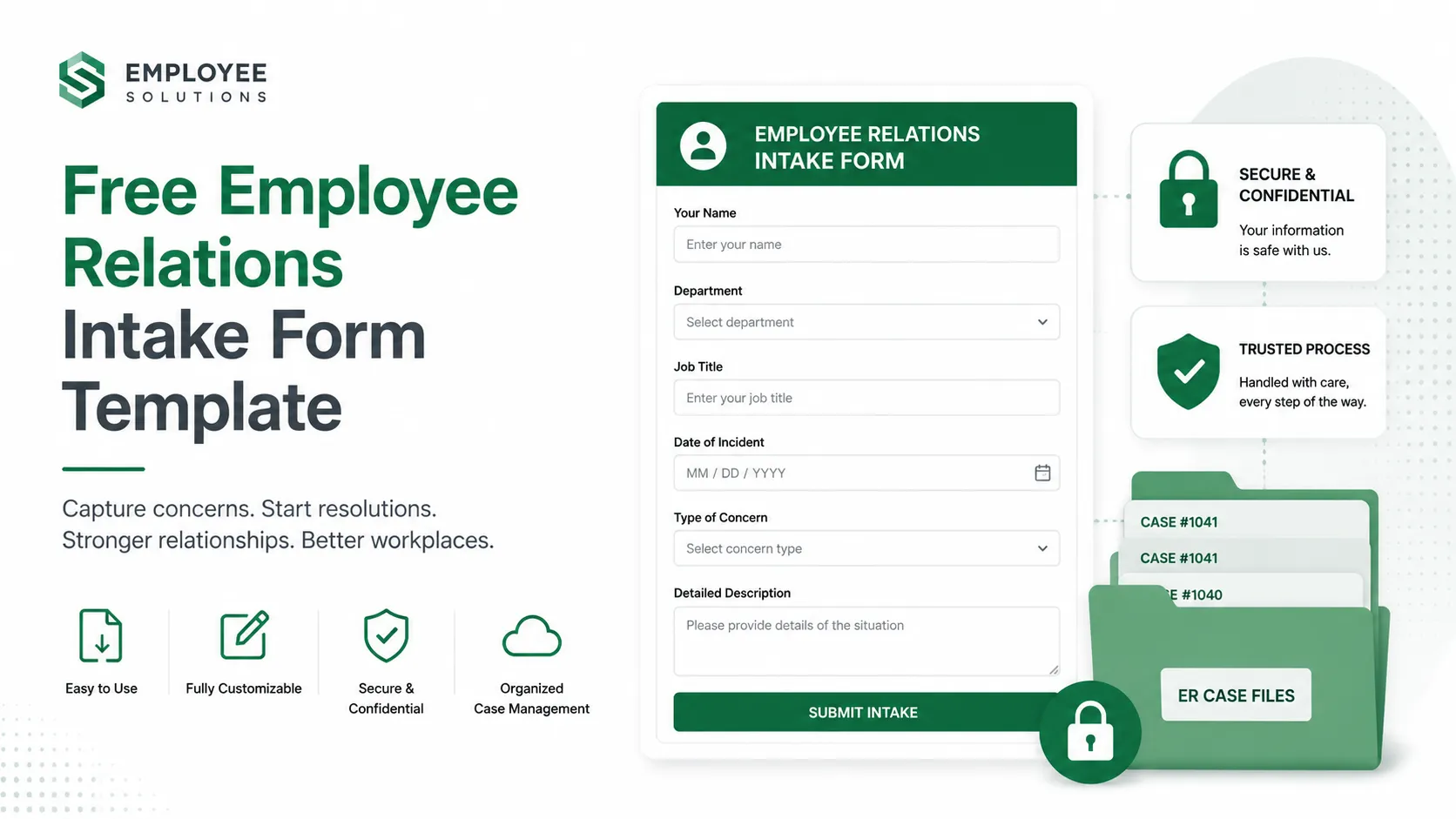
Free Employee Relations Intake Form Template: Defensible Documentation SOP (2026)

A factual employee relations intake form structure for small HR teams that need a cleaner first record and safer follow-up path.

Read Post
Free Employee Relations Case Management Template & Intake Form (2026)
Employee Relations

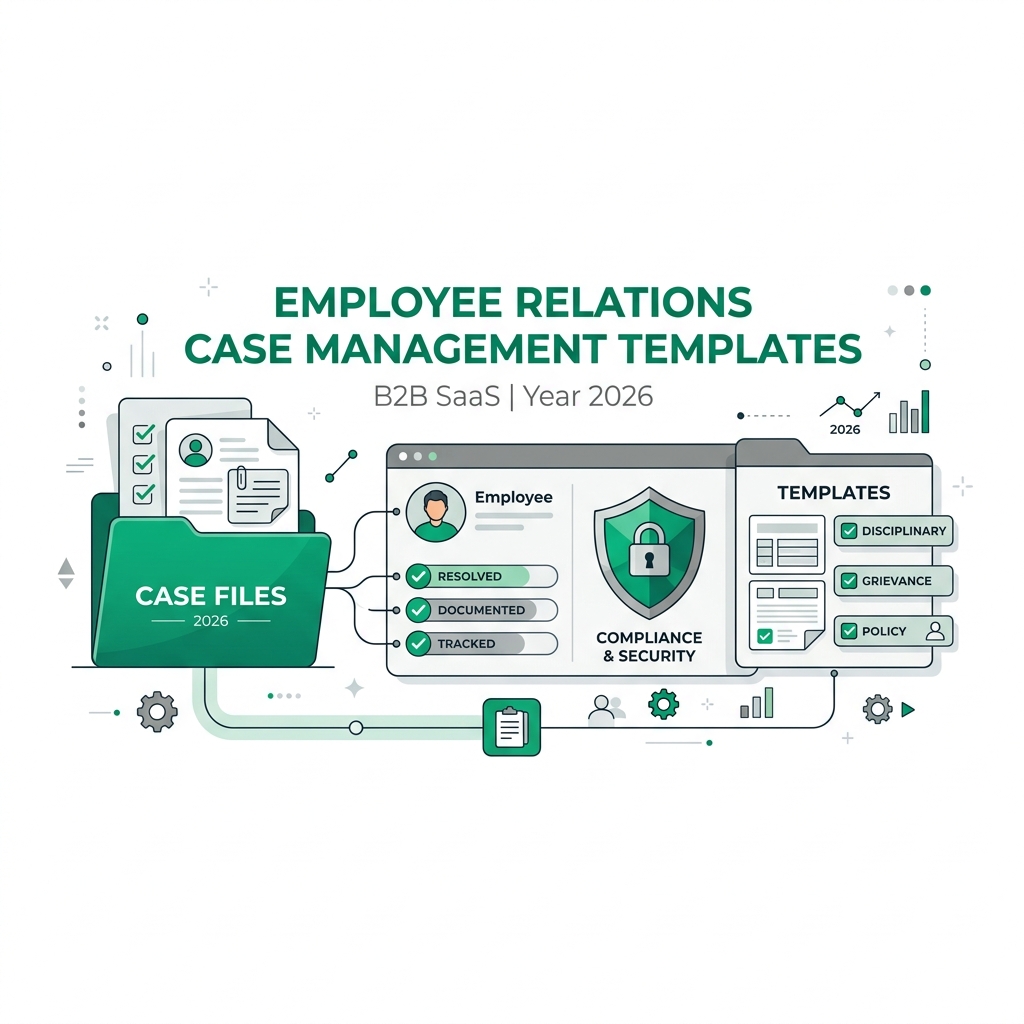
Free Employee Relations Case Management Template & Intake Form (2026)

A practical employee relations case management template for small HR teams that need factual intake, timelines, tasks, files, and reviewed updates.

Wrongful Termination & Retaliation Risk

Separating an employee with a recent FMLA/ADA request or protective complaint carries massive retaliation exposure. Inconsistent warning notes, opinion-heavy investigation files, and undocumented comparator benchmarks are the leading causes of lost wrongful termination claims.

✦Close proximity retaliation claims (last 90 days)
✦Subjective opinion notes rather than factual observation logs
✦Lack of consistent progressive discipline enforcement records
Compliance Workspace

Put this guidance into action

AI SoloHR helps U.S. small-business HR teams turn manual compliance steps into tracked tasks, defensible timelines, secure document records, and reviewed AI drafts.

  • 14-day full platform access
  • Up to 3 active cases
  • Up to 30 employee records
  • All 7 U.S. case types unlocked
See the employee relations workflow No credit card required

This resource is intended for U.S. HR operations and educational purposes only, and does not constitute legal advice. Consult a qualified professional or employment attorney regarding your specific federal and state compliance obligations.

Secure Document Vault2 Files Locked
fmla_medical_certification.pdf
2.4 MB SHA-8f7a9d2...
witness_statement_signed.pdf
1.1 MB SHA-3c2d4f1...

On this page

  • What employee relations documentation is supposed to do
    • The goal is clarity, not volume
    • The timeline matters
Printed from AI SoloHR. Simplify leave case management, track WH-381/382 certification deadlines, and stay 100% compliant at aisolohr.com.
Date and source of information
People involved
Facts observed or reported
Follow-up action
Resolution or current next step

Supporting materials

When documents or related drafts exist, they should be tied to the same case rather than stored separately without context.

Best practices for writing factual notes

Notes should help future reviewers understand what happened without guessing at tone or intent.

Separate facts from assumptions

Write what was observed, reported, or done, not what you suspect without support.

Use direct dates and actions

Specific dates and follow-up actions make the record easier to explain later.

Keep the note tied to the workflow

Each note should either describe an event, explain the current status, or define the next action.

Common documentation mistakes

Avoiding a few common habits can immediately improve the quality of employee relations records.

Mixing personal interpretation with factual notes
Leaving out dates or owners
Writing only the outcome and not the process
Storing documents and notes in separate systems

How AI SoloHR helps with documentation discipline

AI SoloHR organizes notes, documents, tasks, drafts, and status changes around one case timeline so the record stays connected to the work it describes.

A Complaint-to-Resolution Documentation Flow

Intake and First-Day Documentation

Sensitive workplace concerns require objective, factual documentation rather than subjective notes.

Generate a neutral, factual timeline of conversations to keep leadership and counsel aligned during escalations.
Verify intake and first-day documentation compliance and record updates.

Fact-Finding and Follow-Up Notes

Maintaining a chronological timeline of check-ins and resolution steps is crucial for employee relations.

Isolate sensitive notes using role-based permissions, keeping access limited to the workspace administrators.
Verify fact-finding and follow-up notes compliance and record updates.

Outcome, Communication, and Resolution Records

Sensitive workplace concerns require objective, factual documentation rather than subjective notes.

Generate a neutral, factual timeline of conversations to keep leadership and counsel aligned during escalations.
Verify outcome, communication, and resolution records compliance and record updates.

What Belongs in Notes, Statements, and Summaries

To build a structured workflow around what belongs in notes, statements, and summaries, lean HR teams need to coordinate tasks, files, and deadlines chronologically. This section outlines the essential phases and documentation requirements to keep the case history defensible.

Interview Notes

Maintaining a chronological timeline of check-ins and resolution steps is crucial for employee relations.

Raw Notes
Final Summary Language
Isolate sensitive notes using role-based permissions, keeping access limited to the workspace administrators.
Verify interview notes compliance and record updates.

Witness Statements

Sensitive workplace concerns require objective, factual documentation rather than subjective notes.

Generate a neutral, factual timeline of conversations to keep leadership and counsel aligned during escalations.
Verify witness statements compliance and record updates.

Investigation Summaries and Follow-Up Records

Sensitive workplace concerns require objective, factual documentation rather than subjective notes.

Generate a neutral, factual timeline of conversations to keep leadership and counsel aligned during escalations.
Verify investigation summaries and follow-up records compliance and record updates.

Common Breakdowns in Employee Relations Records

Good Facts With No Timeline

Sensitive workplace concerns require objective, factual documentation rather than subjective notes.

Generate a neutral, factual timeline of conversations to keep leadership and counsel aligned during escalations.
Verify good facts with no timeline compliance and record updates.

Good Notes With No Policy Link

Sensitive workplace concerns require objective, factual documentation rather than subjective notes.

Generate a neutral, factual timeline of conversations to keep leadership and counsel aligned during escalations.
Verify good notes with no policy link compliance and record updates.

Good Outcome Language With No Follow-Up Record

Maintaining a chronological timeline of check-ins and resolution steps is crucial for employee relations.

Isolate sensitive notes using role-based permissions, keeping access limited to the workspace administrators.
Verify good outcome language with no follow-up record compliance and record updates.

ADA Process Timeline

Track key milestones for ADA accommodation interactive dialogue.

Launch Tool
Read Post
Employee Relations

Age Discrimination & Pretextual Performance: Hudgens v. MD Anderson

Analyze the age discrimination and pretext rules in Hudgens v. MD Anderson. Learn the compliance risks of using minor infractions to justify major actions.

Read Post
  • What to include in an employee relations record
    • Core note structure
    • Supporting materials
  • Best practices for writing factual notes
    • Separate facts from assumptions
    • Use direct dates and actions
    • Keep the note tied to the workflow
  • Common documentation mistakes
  • How AI SoloHR helps with documentation discipline
  • A Complaint-to-Resolution Documentation Flow
    • Intake and First-Day Documentation
    • Fact-Finding and Follow-Up Notes
    • Outcome, Communication, and Resolution Records
  • What Belongs in Notes, Statements, and Summaries
    • Interview Notes
    • Witness Statements
    • Investigation Summaries and Follow-Up Records
  • Common Breakdowns in Employee Relations Records
    • Good Facts With No Timeline
    • Good Notes With No Policy Link
    • Good Outcome Language With No Follow-Up Record
  • Defensible Trial System
    This interactive widget simulates real-time actions logged directly into the secure AI SoloHR compliance lockbox.