FMLA Interference & Retaliation Risk: Linson v. Ohio Department of Rehabilitation and Correction
Analyze the FMLA leave retaliation claim in Linson v. ODRC. Learn why documentation safety and objective incident logs are critical for U.S. employer compliance.
Case at a Glance
Court / Jurisdiction:Court of Claims of Ohio
Date Decided:2026-04-10
Official Citation:2026-Ohio-1970
Judicial Outcome:Summary Judgment for Employer
Click to expand
Case at a Glance
In Linson v. Ohio Department of Rehabilitation and Correction (2026), a Registered Nurse sued her employer claiming age discrimination, disability discrimination, and FMLA retaliation. Although the employer successfully defended its actions and secured a summary judgment, the case serves as a critical compliance reminder for HR professionals.
It highlights the dangers of casual internal communications regarding employee leave and underscores the necessity of maintaining objective, consistent disciplinary records.
Analyze the FMLA leave and ADA retaliation risk in Caldwell v. UniFirst. Learn why requiring employees to be 'fully functional' violates U.S. employment laws.
Analyze FMLA privacy and mental health leave constraints in Remmick v. Magellan Health. Learn why forced medical disclosure to coworkers is an HR violation.
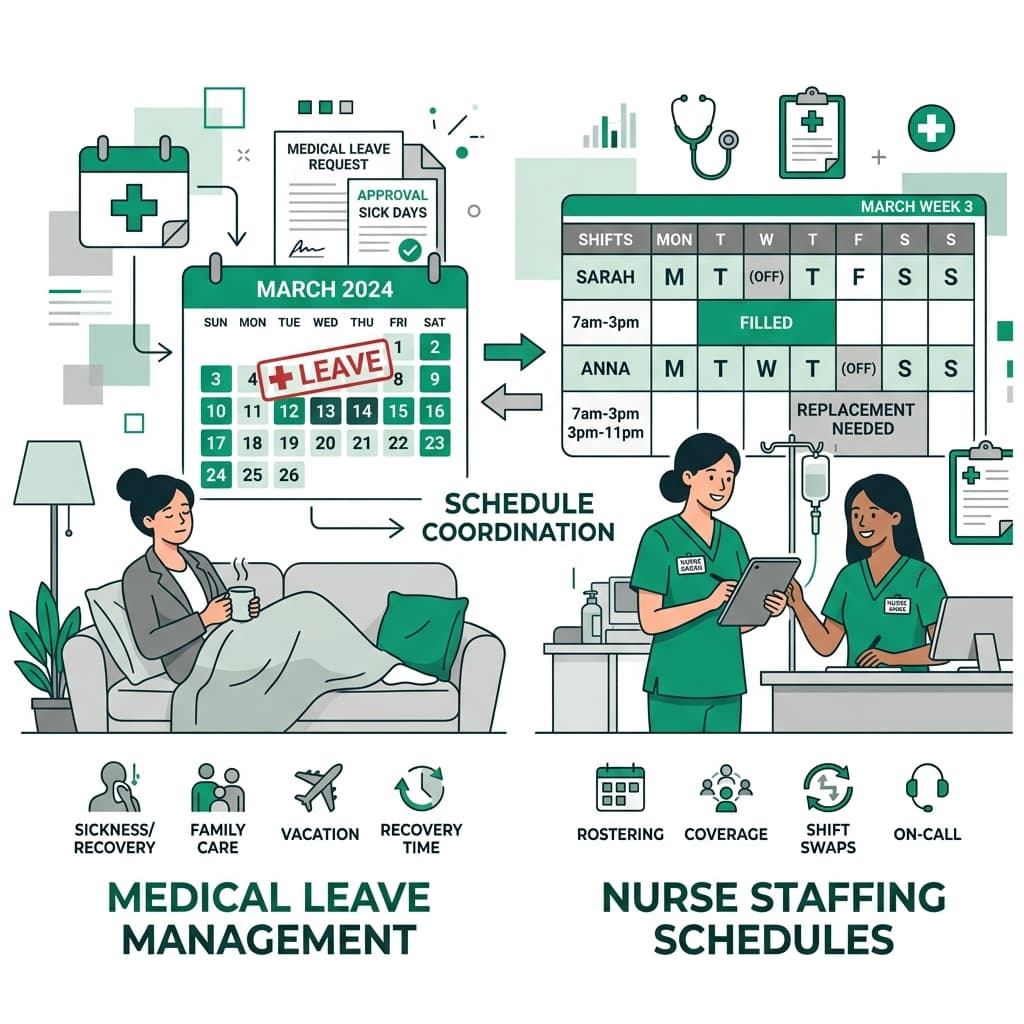
The Plaintiff, Karen M. Linson, was hired as a Registered Nurse in 2012 and eventually transferred to Madison Correctional Institution (MCI) in 2026 to work as a chronic-care nurse. In early 2026, Linson’s father became terminally ill, requiring her to take frequent leaves of absence to provide caregiver support.
Additionally, Linson utilized medical leave for her own surgical procedures and underlying mental health conditions.
For all these absences, Linson submitted the required documentation under the federal U.S. Department of Labor (DOL) FMLA Guidelines. The employer formally approved every single FMLA leave request Linson submitted throughout 2026.
Workplace Friction and Performance Incidents
Coinciding with her protected leaves of absence in 2026, Linson was named in multiple workplace incident reports filed by her coworkers and supervisors. The occurrences detailed in the case file include:
Response Time Failure: Failing to respond to a critical institutional medical emergency within the mandatory 4-minute window.
COVID Screening Negligence: Allowing an incoming inmate with a recorded high fever to enter the general facility population.
Interpersonal Conflicts: Coworkers complaining of verbal aggression, bullying behavior, and Linson keeping unauthorized written logs tracking her colleagues' overtime rates and salaries.
Due to these incidents, the employer initiated administrative investigations. The investigations resulted in Linson receiving two formal written reprimands. In late 2026, Linson filed a lawsuit, arguing that the investigations and reprimands were pretextual acts designed to retaliate against her for exercising her rights to FMLA leave.
2. The Smoking Gun: Casual Internal Emails
Click to expand
The Text of the Leaked Email
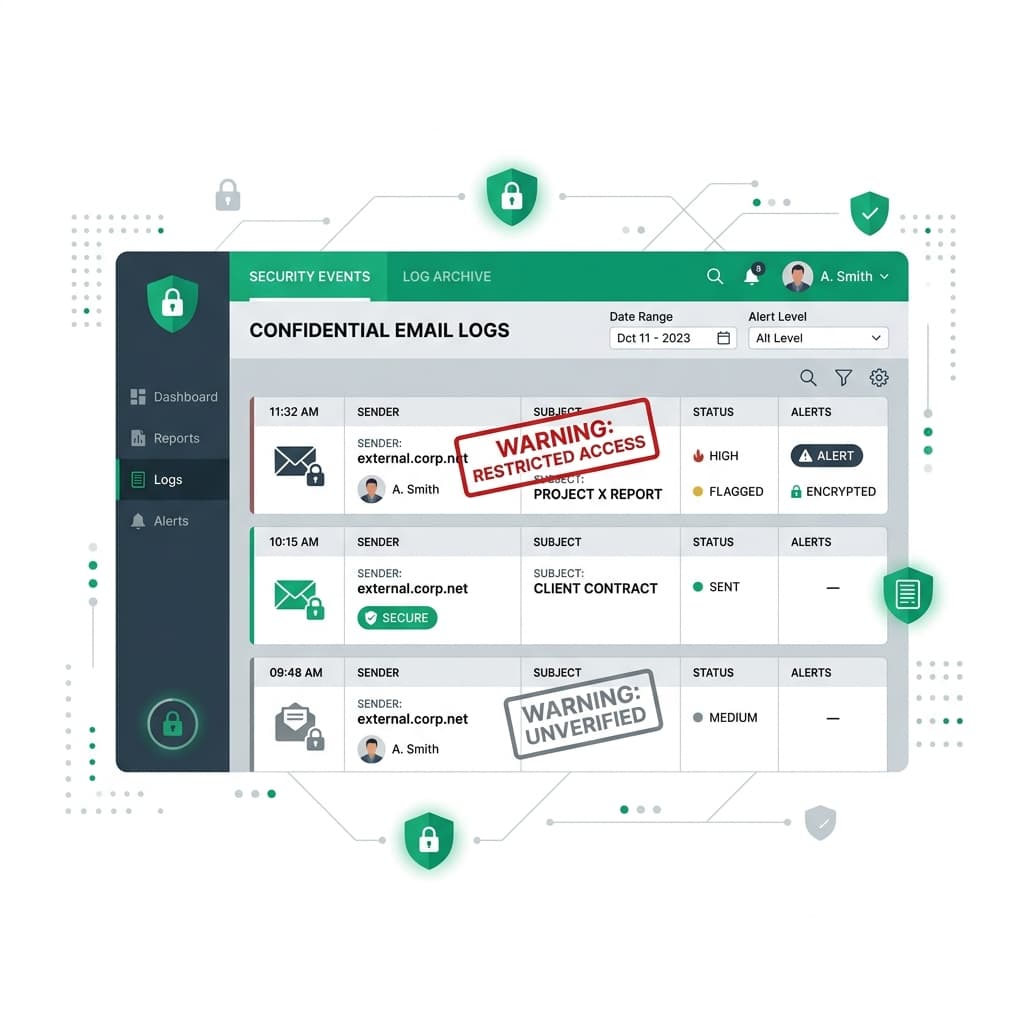
During the discovery phase, Linson obtained an email thread between the facility's Health Care Administrator and a Senior Human Capital Analyst. Discussing Linson's attendance and a potential medical separation, the Administrator wrote:
"Disability as in like long term medical/mental health disability could possibly separate her down the road disability? Or short term like I’m having surgery disability lol... I got excited for a second."
Why the "Joke" Created Retaliation Risk
The Administrator later testified that the "lol" and the comment "I got excited" were meant to be lighthearted banter reflecting relief at the prospect of Linson returning to help with severe staffing shortages.
EEOC Compliance Alert
Casual remarks in email and chat logs are the first things plaintiff attorneys target during discovery. Even if written under operational stress, phrases like "I got excited [about disability separation]" create an immediate inference of discriminatory animus, shifting the burden of proof onto the employer to show that their actions were purely objective.
3. Legal Analysis & The Court's Ruling
Click to expand
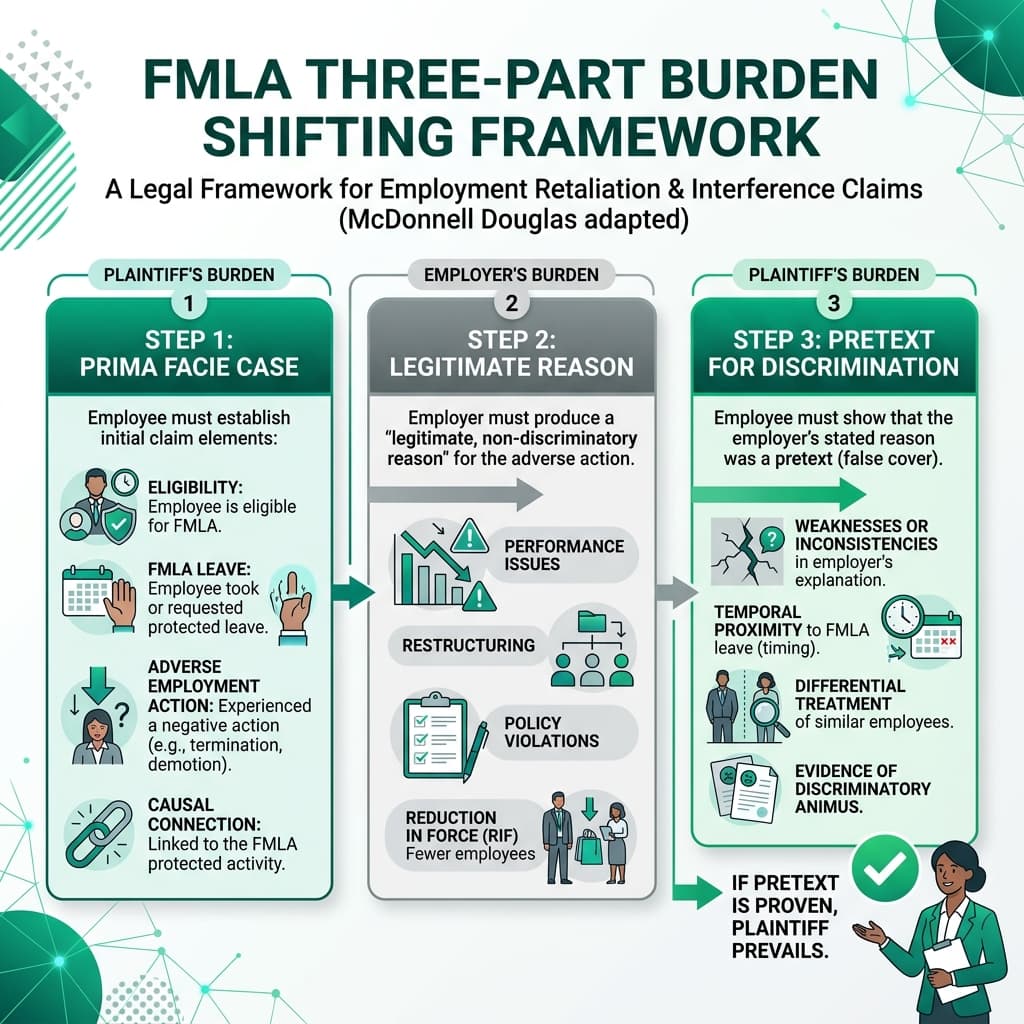
The Three-Part FMLA Retaliation Framework
To defend against an FMLA retaliation claim under federal law, employers must satisfy the burden-shifting framework. If an employee shows they took protected leave and subsequently faced discipline, the employer must produce a legitimate, non-retaliatory reason for the discipline. The employee must then prove that the employer's stated reason is a mere pretext for retaliation.
Defining the "Adverse Employment Action" Threshold
Linson pointed to the written reprimands and the administrative investigations as adverse actions. However, the Court of Claims of Ohio rejected this argument, noting that Linson did not lose pay, benefits, or her job title. The Court held:
"A written reprimand, without evidence that it led to a materially adverse consequence such as lowered pay, demotion, suspension, or the like, is not a materially adverse employment action."
Under federal standards enforced by the U.S. Equal Employment Opportunity Commission (EEOC) Retaliation Guidelines, investigations and reprimands standing alone do not meet the legal threshold of an adverse action unless they result in a tangible, negative change to the terms and privileges of employment.
Rebutting the Causal Connection
The Court also found no causal connection between the FMLA leave and the discipline. The employer established that Linson's leave requests were approved consistently. Furthermore, after Linson returned from her extended leaves, the employer reassigned her back to her preferred chronic-care role in 2026, effectively dismantling the claim that the employer held a grudge.
4. In-Depth HR Practical Takeaways
To protect your organization from costly FMLA and disability discrimination claims, HR managers must implement the following four structured practices:
Action 1: Bulletproof Email & Communication Hygiene
Establish a Formal Communication Policy: Ban the use of messaging shorthand, emojis, and casual language (e.g., "lol", "getting excited about separation") in all internal systems when discussing employee medical accommodations, leave requests, or performance issues.
Mandate HR-Only Review Channels: Require supervisors to channel all medical leave status discussions through a secure HR ticketing system rather than general email loops. Managers should only receive "need-to-know" updates regarding return-to-work dates and restriction accommodations, never subjective assessments of the employee's condition.
Action 2: Standardizing Disciplinary Procedures & Response Windows
Maintain Uniform Response Logs: In this case, Linson argued that another nurse delayed 7 minutes during a medical emergency without being disciplined, claiming disparate treatment. To defeat this argument, HR must maintain strict, central logs documenting all emergency response delays.
Enforce Consistent Consequences: Ensure that policy violations (like the facility's 4-minute response rule) result in the exact same disciplinary action for all employees, regardless of whether they have active FMLA cases. Deviations from standardized policy enforcement are the primary driver of successful retaliation lawsuits.
Action 3: Objective Attendance and Intermittent Leave Documentation
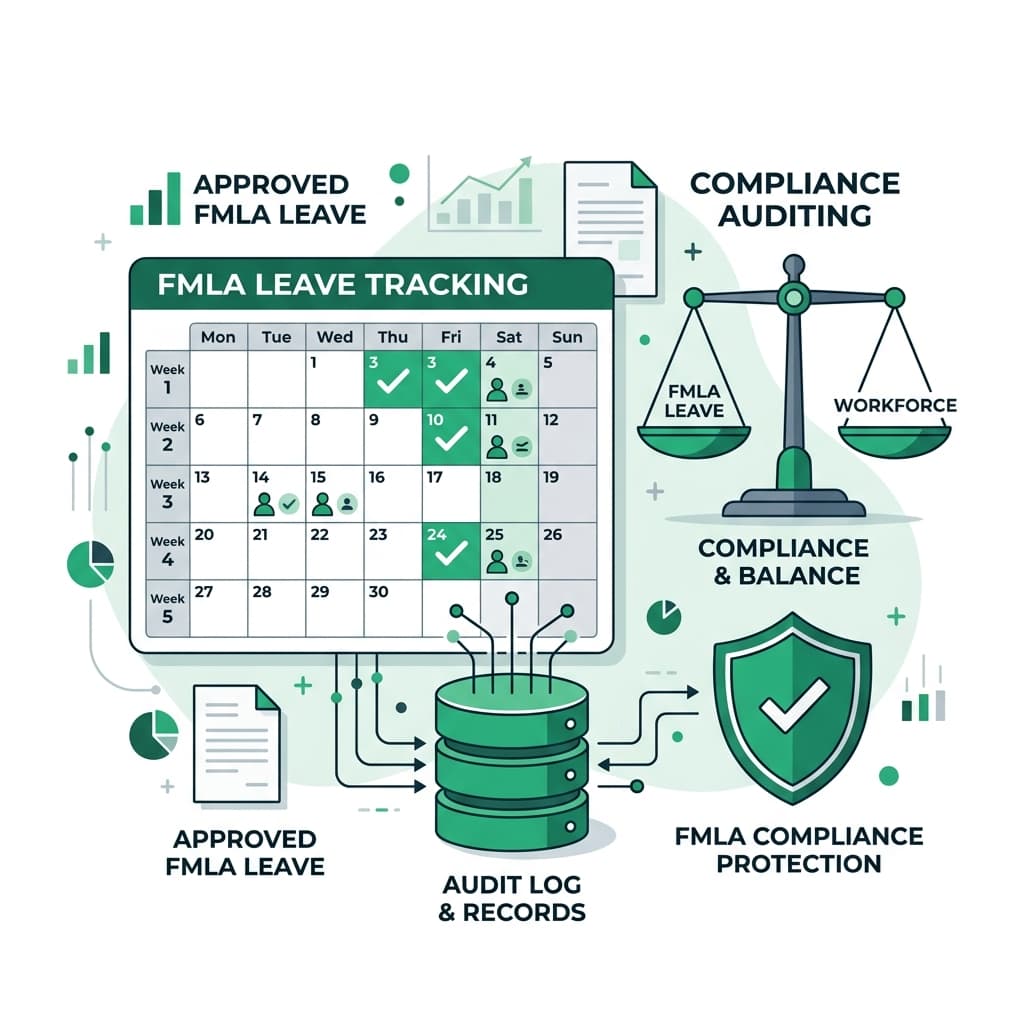
Implement Cloud-Based Leave Tracking: Do not rely on manual spreadsheets or supervisor calendars to track FMLA hours. Use a centralized time and attendance system that automatically subtracts FMLA time from the unified annual pool.
Keep Separate Files for Performance and Medical Records: Ensure that all administrative investigations are filed separately from the employee's FMLA and ADA files. Supervisors conducting investigations should only review raw incident reports, preventing medical leave usage from influencing disciplinary decisions.
Action 4: Leveraging Prior Approved Leave as Defensive Proof
Document Every Approved Leave Request: Maintain an unalterable audit trail of every leave approval. Consistently granting leave requests demonstrates compliance and acts as powerful evidence to defeat the "causal connection" requirement in court.
Execute Return-to-Work (RTW) Protocols: Document the restoration of the employee to their original or an equivalent position upon return. If accommodations are requested, engage in a structured interactive process and document the mutual decisions.
5. Next Steps for HR: Actively Managing Leave Risk
To proactively secure your workplace against protected leave interference and retaliation allegations, utilize our interactive compliance tools:
Evaluate Employer Coverage: If you are unsure whether your business is subject to federal FMLA rules, use our FMLA Eligibility & FTE Calculator to check your employee thresholds.
Audit Leave Timelines: When managing accommodation requests, establish an unalterable milestone trail using the ADA Process Timeline Calculator to document every cooperative dialogue attempt.
Assess Retaliation Risk: Run a quick diagnostic of your supervisor communication hygiene with the FMLA Interference Risk Evaluator to identify potential compliance gaps.
If you are ready to retire spreadsheets and secure your organization with an unalterable audit log, Start Your Free Trial of AI SoloHR Today. Take charge of leaves, tasks, and communications in one secure, compliant dashboard.
Disclaimer: This case study is for educational and informational purposes only and does not constitute legal advice. AI SoloHR does not provide legal opinions or represent businesses in judicial disputes. For complex compliance questions, please consult qualified labor counsel.*
Share this case study
Factual DisclaimerThis case study is published for educational and informational purposes only and does not constitute legal advice. AI SoloHR does not provide legal opinions or represent businesses in judicial disputes. For complex compliance questions, please consult qualified labor counsel.
Analyze the ADA reasonable accommodation and shift requirement standard in Ferguson v. UH. Learn when staffing demands outweigh individual shift preferences.
 Click to expand